Hidden Dangers Lurking in Your Payson Trees
Hazardous tree removal in Payson is not just about cleaning up after a storm; it is about keeping a quiet problem from turning into a very loud one on your roof. Many homeowners in Payson, Rim Country, and the White Mountains enjoy their tall pines and shade trees, but it only takes one weak limb hanging over a house or driveway to create a serious risk. When the wind picks up or a summer storm rolls through, that branch or compromised trunk can quickly become a fallen tree, damaged shingles, or a blocked driveway.
Hazardous tree work is really about prevention. By removing unstable trees and branches before weather tests them, we help reduce property damage, wildfire spread, and even injuries. At Lumberjacks LLC, we live and work in this area, so we understand how local conditions affect your trees and how quickly things can change. In this article, we will walk through how Payson trees become hazardous, what warning signs to look for, and how thoughtful removal and defensible space planning help protect your home and investment.
Why Payson’s Trees Become Hazardous Over Time
Our local trees are tough, but they deal with a lot of stress. Strong winds, intense sun, and seasonal storms all put pressure on branches and root systems. A tree that looks solid from a distance may have been slowly weakened over years of dry spells and gusty afternoons.
Drought is one of the biggest issues. When trees do not get consistent moisture, they can become brittle, lose foliage, and struggle to compartmentalize wounds. Stressed trees are more likely to be affected by insects and disease, especially in species like pines and oaks that are common around Payson and in surrounding Rim Country and White Mountain communities.
Over time, that stress shows up in specific risk factors, such as:
- Trees leaning toward homes, sheds, driveways, or neighboring structures
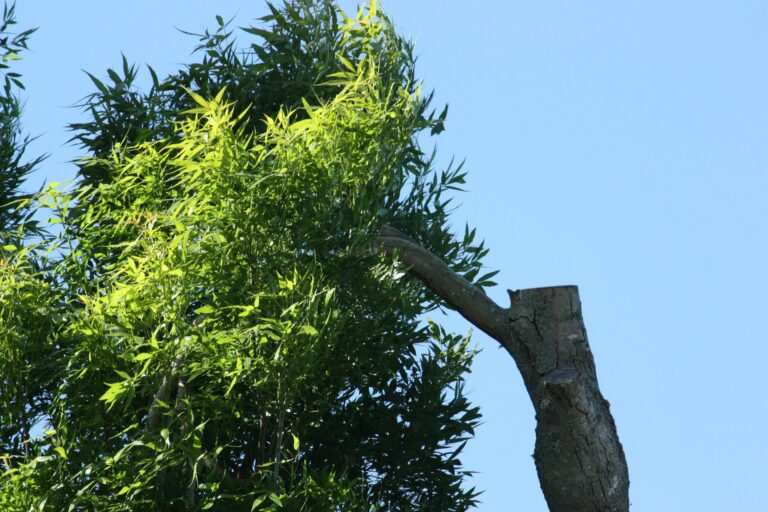
- Large dead or dying limbs high in the canopy
- Hollow or decayed trunks that sound dull when tapped
- Exposed or damaged roots and soil that looks lifted or cracked around the base
- Trees growing too close to roofs, decks, or power lines
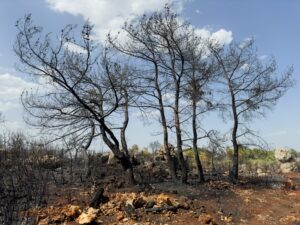
As neighborhoods grow and wildland meets residential lots, we also see more isolated “legacy” trees. These are trees that once grew in a dense stand but are now standing alone after surrounding trees were removed or burned in past fires. Without the protection of a forest, these trees take the full force of the wind, which can make them far more likely to fail than when they were growing in a group.
Signs Your Tree Is a Threat to Your Home
You do not need to climb a ladder to notice many warning signs. A simple walk around your yard, looking up and around with intention, can reveal a lot. Start with the trunk and main branches. Look for deep cracks, cavities, peeling or missing bark, and areas where branches have died back or lost most of their foliage.
Some of the most important clues are easy to miss at first. Watch for:
- Mushrooms or fungus growing at the base or on the trunk
- Soil that appears heaved or raised on one side of the tree
- Branches rubbing on the roof, gutters, or siding
- Unexplained piles of fine sawdust around the base or in bark crevices
- Large sections of the canopy that are bare or brown while the rest looks green
Each of these signs connects to a potential risk. Dead or rubbing branches can puncture roofing, tear shingles, and break windows if they snap. Leaning trunks and compromised roots can lead to whole tree failure that blocks a driveway or damages vehicles and fences. Trees entangled with power lines add the risk of power outages and possible fire ignition.
The challenge is that not every problem means a tree has to come out immediately. Some can be addressed with pruning or monitoring. That is where a professional tree risk assessment from an experienced company like ours becomes valuable. By looking at structure, species, and site conditions, we can help determine whether a tree should be removed, trimmed, or simply watched over time.
How Hazardous Tree Removal Protects Homes and Yards
Removing a hazardous tree or heavy overhanging limbs dramatically lowers the chance that a storm will put part of that tree through your roof or into your yard structures. This is especially important where driveways, outdoor living spaces, sheds, or play areas sit under or near large trees. When we take out the weak link before weather does it for you, you gain peace of mind every time the wind starts to gust.
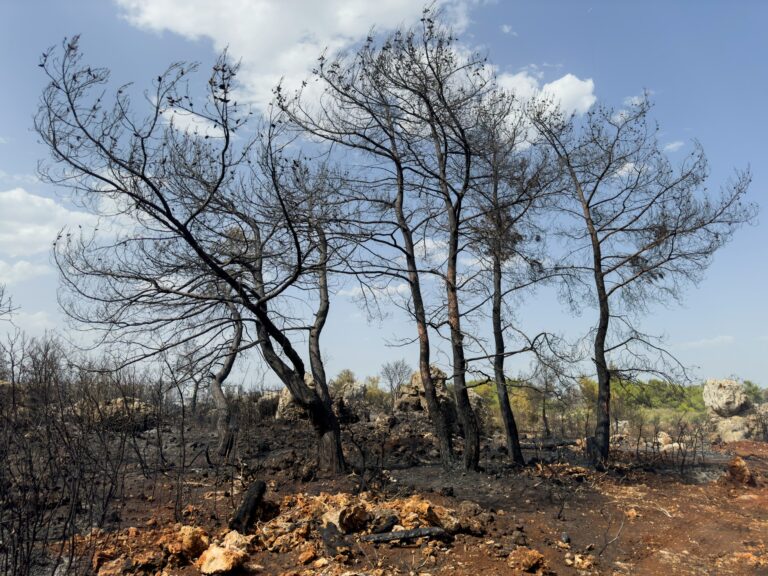
Hazardous tree removal is also an important part of wildfire safety. Dense vegetation, low branches, and dead material can create what firefighters call fuel ladders, which let fire climb from the ground into tree canopies and toward structures. By removing unstable or poorly placed trees, reducing ember traps such as dead limbs over roofs, and opening space around the home, we help support defensible space and better fire behavior around your property.
Thoughtful, selective removal often improves the look and function of your yard too. Taking out one problem tree can open a mountain view, bring more sunlight into gardens, and give remaining trees more room and resources to grow stronger. Our goal is never to clear-cut, but to make careful, safety-focused decisions that respect local codes and the long-term health and appearance of your property.
Professional Tree Removal Versus Risky DIY Shortcuts
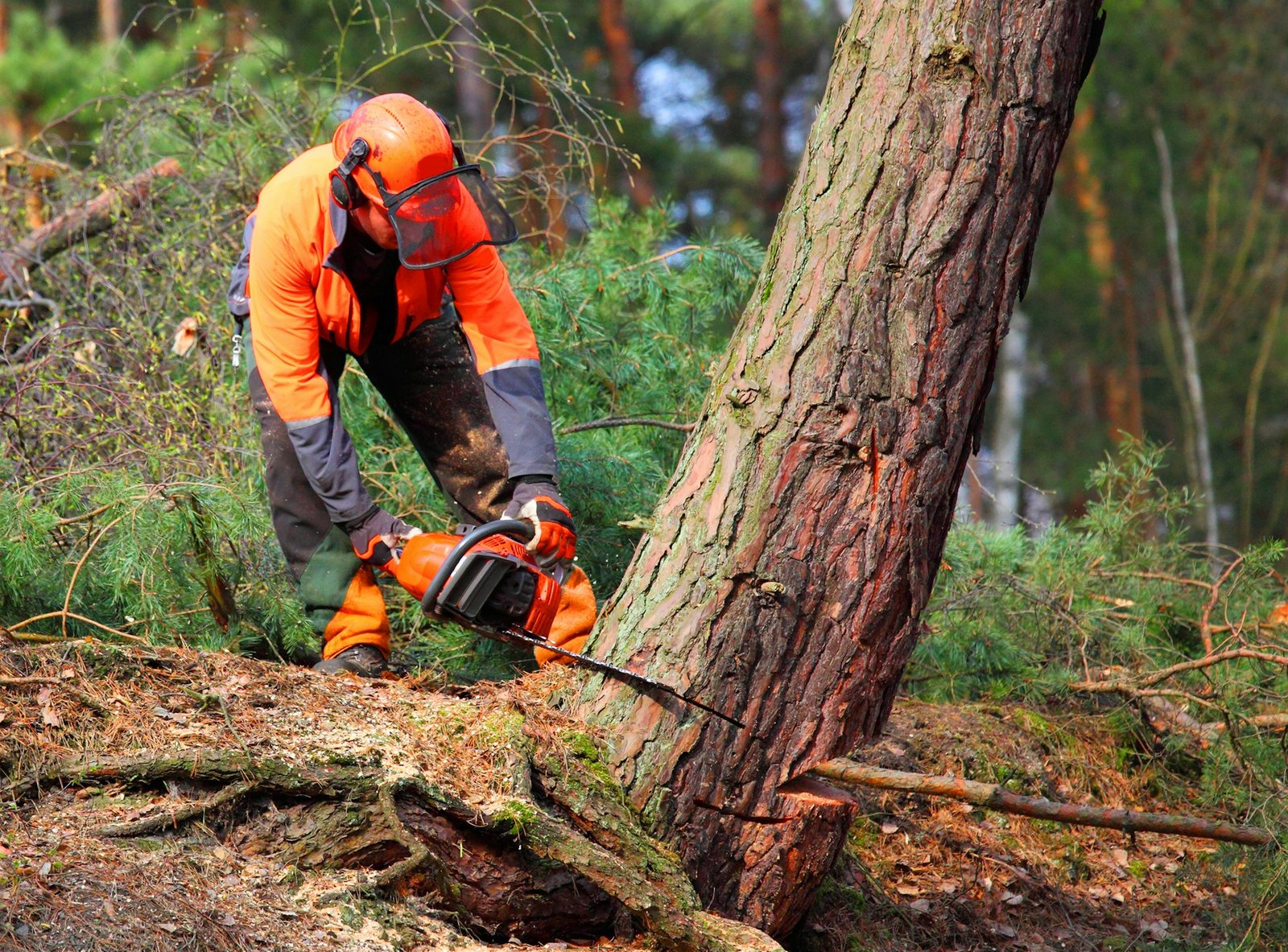
Tree work can look simple from the ground, but it is one of the most dangerous jobs on a property. Professional crews bring experience, training, and specialized equipment to every removal. At Lumberjacks LLC, we plan each job with safety in mind, especially in yards where homes, decks, and neighboring properties sit close to large trees.
DIY tree removal often runs into trouble in specific ways:
- Misjudging the direction a tree will fall on uneven or sloped ground
- Cutting branches that swing or roll unexpectedly when they release
- Working too close to power lines without proper clearance and coordination
- Using chainsaws, ropes, and ladders without training or protective gear
When we remove a hazardous tree, we plan tie-in points for climbers or aerial access, set up rigging to lower limbs in controlled sections, and protect structures, landscaping, and people below. Instead of letting gravity decide where a branch lands, we move material exactly where it needs to go. We also handle stump removal, debris cleanup, and chipping, which keeps your yard from turning into a mess of logs and brush and helps limit your liability if something goes wrong.
Building Safer Defensible Space Around Your Home
In Payson and nearby communities, defensible space and fuel mitigation are just as important as regular home maintenance. Insurance companies and fire agencies encourage property owners to keep a safe, managed zone around structures so firefighters have a better chance to protect homes if a wildfire approaches. Hazardous tree removal fits naturally into this bigger picture.
Defensible space is typically thought of in zones around the house. Closest to the structure, trees should be well spaced, with lower branches pruned up and dead material removed. A bit farther out, thinning overcrowded stands and clearing brush and deadwood makes it harder for fire to build intensity as it moves. Strategic removal and pruning help keep flames on the ground, instead of letting them jump into tree canopies or onto decks, fences, and roofs.
When we look at a property for defensible space, we consider acreage, slope, access, tree species, and local expectations or guidelines. Our team at Lumberjacks LLC can develop a custom plan that blends hazardous tree removal with thoughtful thinning and pruning so your land stays shaded and attractive, but is also better prepared for wildfire and wind events.
Take the Next Step to Protect Your Payson Property
A good first step is simply walking your property with fresh eyes. Look for trees that lean toward the house, branches that hang over roofs and driveways, dead or sparse canopies, and any signs of decay at the trunk or base. Make a simple checklist of anything that looks worrisome, including trees that seem too close to power lines or that have obvious damage.
From there, a professional hazardous tree assessment from a local team that understands Payson, Rim Country, and the White Mountain areas can help you prioritize what to remove, what to prune, and what to watch. Addressing problems before monsoon storms or peak fire danger helps protect your home, reduce risk, and support the long-term health of your remaining trees. Thoughtful hazardous tree removal in Payson is an investment in safety, peace of mind, and the future value of the place you call home.
Protect Your Property With Expert Hazardous Tree Removal Today
If you suspect a tree on your property is unsafe, our team at Lumberjacks LLC is ready to help you take action before it becomes an emergency. We provide fast, professional hazardous tree removal in Payson to reduce risks to your home, vehicles, and family. Reach out to us today through our contact page so we can assess the danger and schedule the work at a time that fits your needs.