Protect Your Cabin with Smart Defensible Space Planning
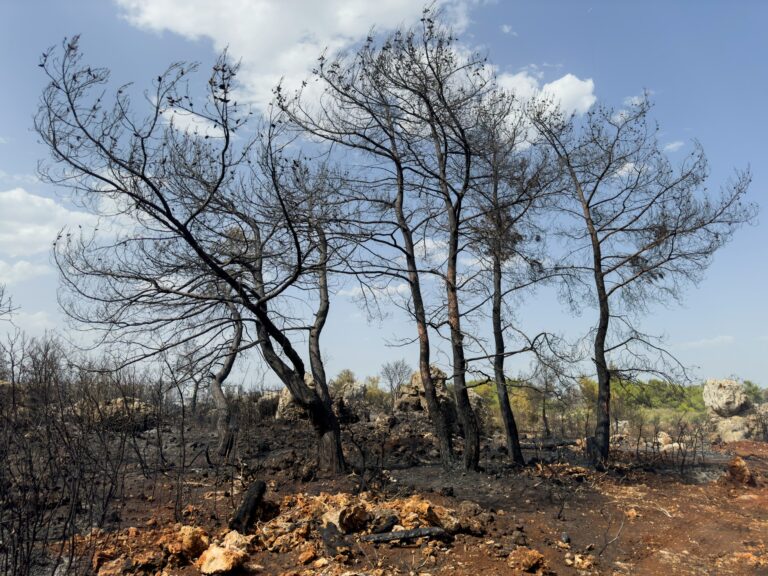
Wildfire moves fast in Rim Country and the White Mountains. A dry, windy July afternoon, some gusts through the pines, and one small spark in the wrong place can turn into a wall of flame racing toward your cabin. The 0-to-5-foot zone right next to the building is important, but if your place sits in thick ponderosa or mixed conifer, the fire usually starts farther out. That is where Zones 1 to 3, from 5 to 200 feet, can make the difference between a close call and a total loss.
In this guide, we walk through a simple, step-by-step plan for defensible space clearing in Arizona beyond the immediate foundation line. We keep it focused on real conditions around mountain cabins, like steep slopes, rocky soil, heavy pine needles, and tight tree stands. Our goal is to help you understand what needs to happen, zone by zone, so you can make smart choices and stay safe while the work gets done.
We work these hills every day around Payson, Rim Country, and the White Mountain area, so we see how fire actually moves through this kind of fuel. With the right plan, the land around your cabin can slow a wildfire down instead of feeding it.
Know Your Zones Before You Start Cutting
Before anyone starts a chainsaw, it helps to know what each zone should look like and why.
Zone 1 runs from 5 to about 30 feet from your cabin. Think of this as the lean, clean, and green ring. In this space, you are breaking up continuous fuel so fire has a hard time reaching your walls, decks, and roof.
Zone 2 runs from 30 to about 100 feet. This is your reduced fuel zone. Here, you thin trees and shrubs, increase crown spacing, and keep surface fuels like needles, cones, and dead wood under control.
Zone 3 runs from 100 to about 200 feet, or out to your property line. This is a managed wildland buffer. You still keep the forested feel, but you remove dead or sick trees, thin crowded stands, and create breaks that slow a fast-moving fire.
Around Arizona mountain cabins, these zones are rarely flat lawns. You are usually dealing with:
- Steep slopes that push fire uphill faster
- Rocky ground that makes footing tricky
- Deep pine duff and oak leaves that smolder and keep fire going
- Dense clumps of young trees under older ones
Good defensible space planning means adjusting your work to those conditions, not fighting them.
Step-by-Step Clearing Plan for Zone 1 Around Cabins
Start with a slow walk around your cabin in that 5-to-30-foot ring. Take notes or flag problem spots. Look for anything that could carry flames right up to the structure.
Common red flags in Zone 1 include:
- Overgrown junipers and thick shrubs under eaves and windows
- Wooden fences tied directly into the cabin or deck
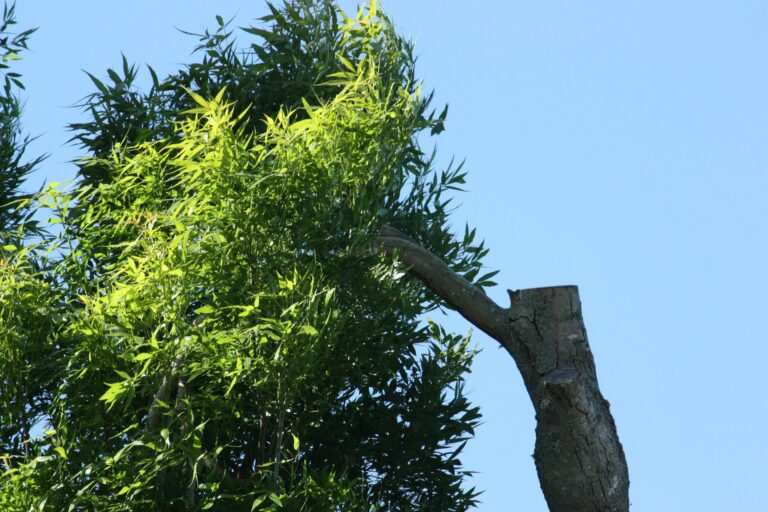
- Low branches that hang close to roofs or touch the walls
- Piles of firewood, lumber, or junk stacked beside the house
Key actions in this zone usually include:
- Removing dense shrubs directly under windows and along walls
- Limbing trees up 6 to 10 feet, or at least one-third of the tree height, so fire cannot climb easily
- Separating shrubs and small trees so they are not touching each other
- Keeping grass short and, where possible, on the greener side with careful watering
Many homeowners also choose to swap out flammable plants for more fire-wise choices and add:
- Gravel or stone borders against the foundation
- Rock paths and patios that double as fuel breaks
- Non-combustible edging around decks and entryways
Zone 1 is close-quarters work around structures, power lines, and sometimes unstable slopes or retaining walls. Large tree pruning, removals, and chainsaw work near roofs or wires are best handled by a professional crew that knows how to work in tight mountain spaces without creating new hazards.
Thinning, Spacing, and Fuel Breaks in Zone 2
Zone 2, from roughly 30 to 100 feet out, is where you slow a surface fire before it reaches Zone 1. The goal here is to prevent flames from climbing into the tree crowns and racing toward your cabin.
Tree spacing is a big part of that. As a simple rule of thumb, many properties do better when crowns of mature trees are not touching and have open space between them. On steeper slopes, you want even more distance so fire cannot just leap uphill from crown to crown.
Watch for ladder fuels, which are things that let fire climb from the ground into the canopy:
- Thick young pines and firs growing under taller trees
- Dense brush patches under the drip line of larger trees
- Tall, dry grasses and weeds that reach up into low limbs
In Zone 2, the work often includes:
- Selectively thinning out smaller trees between larger ones
- Removing or reducing brush under mature trees
- Cutting and removing low branches that are still within easy reach of ground fire
Ongoing maintenance is just as important as the first big push. A practical routine can include:
- Raking or blowing pine needles, leaves, and cones several times each fire season
- Pulling or cutting out dead branches that collect near the ground
- Mowing or trimming grasses before the hottest, driest part of summer
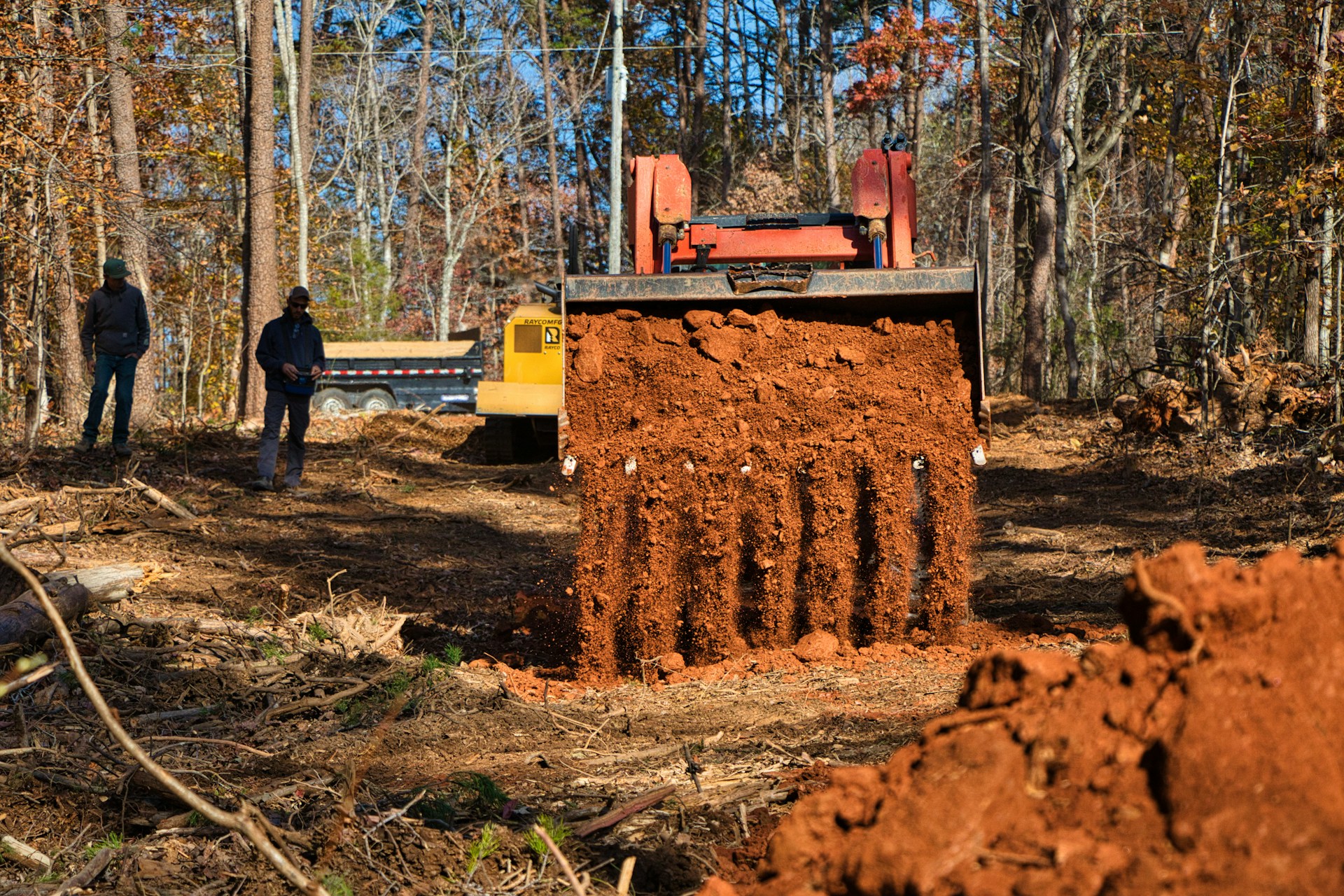
For many properties, defensible space clearing in Arizona at this scale involves more than hand tools. Wildfire and fuel mitigation, chipping, and slash removal are safer and more effective when handled with the right equipment and an experienced crew.
Managing the Wild Edge in Zone 3 Without Losing the Forest
Zone 3, from about 100 to 200 feet or out to your boundary, is where you keep the wild feel but cut back the worst fire risks. It is the zone that often decides how hard a fire will hit your inner rings.
Start by walking this band and marking:
- Dead or leaning trees that could fall or torch quickly
- Pockets of beetle-kill or disease
- Very tight stands where trunks are close and crowns are stacked together
- Heavy patches of downed logs and deep woody debris
The goal is not to clear-cut. It is to keep the forest healthy and broken up. That usually means:
- Thinning crowded groups so remaining trees have space and light
- Removing dead trees that pose a risk to people or structures
- Cutting and scattering, chipping, or removing heavy downed wood so it does not form a solid fuel bed
Along driveways, private roads, and property edges, simple shaded fuel breaks can help firefighters safely reach your cabin and work the fire. These often look like:
- Thinned strips on both sides of the road
- Trees limbed up higher so engines and people can move under them
- Cleaner ground with less brush and fewer heavy log piles
If you share boundaries with neighbors, an HOA, or state or federal land, it helps to talk and line up your efforts. When several properties carry a similar level of defensible space, it gives the whole area a better chance when a fire moves through.
Put Your Plan Into Action Before Fire Season Peaks
Defensible space is not a one-weekend project that you never think about again. It is a steady habit, planned out over the year so the work is done before the hottest stretch and the lightning storms that follow.
A simple seasonal checklist for Zones 1 to 3 can help:
- Spring: Walk the property, mark problems, plan major thinning and pruning
- Early summer: Finish heavy work, handle chipping and slash removal, clean roofs and gutters
- Mid to late summer: Do quick cleanups of needles, cones, and grass regrowth
- Fall: Trim back new growth and remove any new dead or damaged limbs
For homeowners and second-home owners around Payson, Rim Country, and the White Mountain area, defensible space clearing in Arizona is one of the most practical ways to protect cabins, families, and the woods we all enjoy. When done with a clear plan and professional support, those 5 to 200 feet around your cabin become a strong buffer that slows fire, gives firefighters a safer place to work, and helps keep our high-country forests healthier for the long run.
Get Started With Your Project Today
If you are ready to reduce wildfire risk around your home, our team at Lumberjacks LLC is here to help. Learn how our expert defensible space clearing in Arizona can protect your property while preserving the landscape you value. We will walk you through your options, answer your questions, and provide a clear plan tailored to your land. To schedule a consultation or request a quote, simply contact us today.