Protect Your Payson Trees with Smart Pruning
Tree pruning in Payson, AZ is not the same as trimming a yard tree in a calm city neighborhood. Up here in Rim Country, our trees face strong winds, hard sun, monsoon storms, and a real wildfire risk. Cuts that might not matter much in a mild place can turn into big problems here.
A small mistake with a saw can lead to disease, weak branches, or a tree that fails in a storm. Many homeowners just want more light, a better view, or branches away from the house, but the way you prune matters as much as what you cut. We want to walk through the most common pruning mistakes we see in Payson and how you can avoid them, plus when it is time to let a professional team handle the work.
Topping Trees Instead of Correctly Thinning
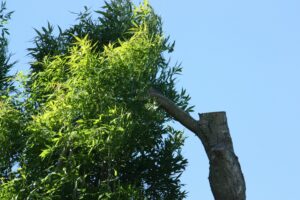
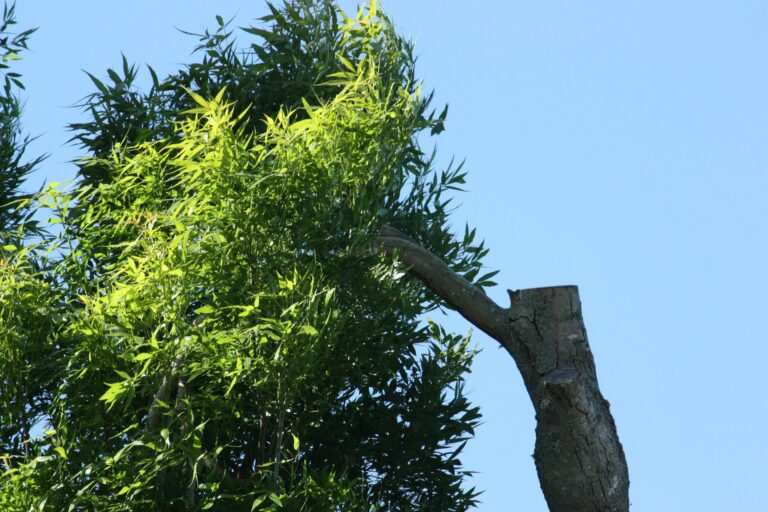
Topping is one of the worst things that can be done to a tree. Topping means cutting back big branches or even the whole top of the tree to rough stubs to try to control height or open up a view. It looks harsh because it is harsh, and trees in Rim Country feel it even more.
Here is why topping is so damaging in our area:
- It forces the tree to push out weak, fast-growing sprouts near the cuts
- Those sprouts snap more easily in monsoon winds and strong gusts
- Topping leaves large, open wounds that invite insects and decay
- The tree often ends up shorter-lived and more dangerous, not safer
A better option is proper crown reduction or thinning done with a careful plan. Instead of chopping the whole top, a trained pro will:
- Remove selected branches to reduce weight and wind resistance
- Keep the tree’s natural shape so it can handle Rim Country storms
- Focus on structure, not just quick height reduction
When height or view is a concern, thoughtful thinning and reduction keep your tree strong, instead of turning it into a hazard.
Cutting at the Wrong Time of Year
Timing matters a lot for tree pruning in Payson, AZ, especially as we head into summer. Early summer can be fine for light work, like taking off small dead twigs or a few problem branches for safety. But heavy pruning, reshaping, or cutting large limbs is usually better done in the cooler months for many kinds of trees.
When we cut too much in the heat:
- Trees are already stressed from sun and dry air
- Fresh cuts can lose more moisture
- New growth can struggle to harden off before monsoon winds
Different trees also handle timing in their own way. For example, pines, oaks, fruit trees, and common ornamentals each have better and worse seasons for heavier pruning. Some may:
- Bleed sap more if pruned at the wrong time
- Attract insects to fresh cuts when pests are most active
- Have a harder time sealing wounds in extreme heat
Simple guidelines that help:
- Keep summer pruning light and focused on safety
- Plan big structure changes for cooler months when possible
- Get a professional opinion if you are unsure, especially before monsoon season if you see risky branches
Making Improper Cuts That Do Not Heal Well
Even if you pick the right time, the way the cut is made can cause real trouble. Two of the most common mistakes are flush cuts and stub cuts.
Flush cuts happen when the branch is cut flat against the trunk, removing the branch collar, which is the slightly raised area at the base of the branch. Stub cuts are the opposite, where a long chunk of dead branch is left sticking out. Both cause problems:
- Large, flat wounds or dead stubs heal slowly and invite decay
- Rot can move into the trunk, weakening the whole tree
- New growth around bad cuts can be messy and poorly attached
Over time, this can lead to limbs that fail in strong wind or during a storm. It also makes the tree harder to care for in the future.
A better pruning cut is simple in idea, but takes some skill in practice:
- Leave the branch collar in place and cut just outside it
- Match the angle of the branch bark ridge, not the trunk
- Use clean, sharp tools that match the size of the branch
- Avoid taking off more than about a quarter of the live canopy in a single season unless a pro has laid out a plan
These small details help the tree close the wound faster and stay strong.
Over-Thinning and Lion-Tailing the Canopy
Another big mistake is over-thinning, also called lion-tailing. This happens when too many inner branches are stripped out and leaves are left mainly at the very tips of long limbs. From the ground, it can look neat at first and may seem like a simple way to get more light or open up a view.
In Payson, many homeowners ask for more sun on decks, sheds, or gardens. That is totally understandable, but heavy interior thinning creates:
- Long, bare branches with heavy foliage only at the ends
- Limbs that act like levers during high winds
- Extra stress where the limb meets the trunk
Instead of protecting the tree from wind, the canopy becomes less able to break up gusts. In a storm, those long, bare limbs are more likely to crack.
Better options include:
- Selective thinning spread through the whole canopy, not just the middle
- Modest limb raising to clear walkways or roofs, not stripping everything inside
- Pairing careful pruning with smart plant choices below, so you can enjoy more light without weakening your trees
Thoughtful pruning keeps both your view and the tree’s strength.
Taking DIY Risks Near Homes and Power Lines
It is tempting to grab a ladder and a saw when you see branches near your roof, deck, or driveway. In Payson and across Rim Country cabins, we see a lot of DIY work in tight, tricky spots. That is where things can go wrong fast.
Common risk areas include:
- Branches over roofs, sheds, decks, and propane tanks
- Trees on slopes or rocky ground where footing is bad
- Limbs over driveways, play areas, or outdoor living spaces
When power lines or steep drop-offs are involved, the danger jumps. There is risk of electrical shock and there are rules about working near utility lines. One wrong cut can also send a limb swinging where there is no safe way to move out of the way.
A simple way to think about it:
- Very small, low branches that you can reach from the ground with hand tools are usually the limit for DIY
- Anything big, high, or close to structures or lines should be handled by trained professionals with the right gear and insurance
Your trees, your property, and your safety are worth that extra care.
Keep Your Rim Country Trees Strong and Storm-Ready
Pruning is not just about making a tree look tidy or clearing a quick view. It is about helping the tree grow strong, handle wind, and stay safe around your home for many years. Smart pruning takes the long view, especially in a place like Payson where wind, storms, and wildfire risk all play a part.
A good habit is to walk your property before monsoon season and again later in the year and look for:
- Dead, cracked, or hanging limbs
- Branches touching or rubbing on roofs, gutters, or fences
- Trees that look crowded or out of balance
When you see these signs, a professional tree care team like Lumberjacks LLC can help with thoughtful assessments, careful pruning, and, when needed, removals or emergency work. With local experience in Rim Country conditions and fuel mitigation, we focus on keeping your trees healthy, your property safer, and your landscape ready for whatever the season brings.
Get Started With Your Project Today
If you are ready to improve the health, safety, and appearance of your trees, our team at Lumberjacks LLC is here to help. Learn more about how our expert tree pruning in Payson, AZ can protect your property and keep your landscape looking its best. Reach out to us today through our contact page to schedule your service or request a personalized estimate.