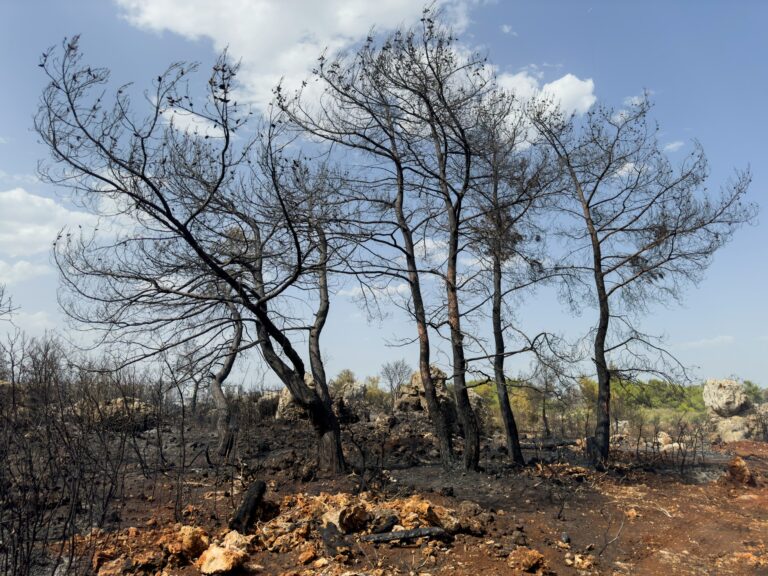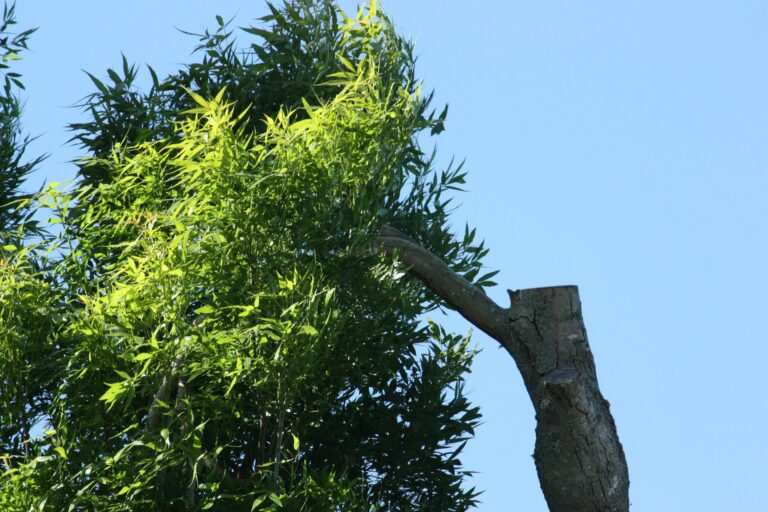
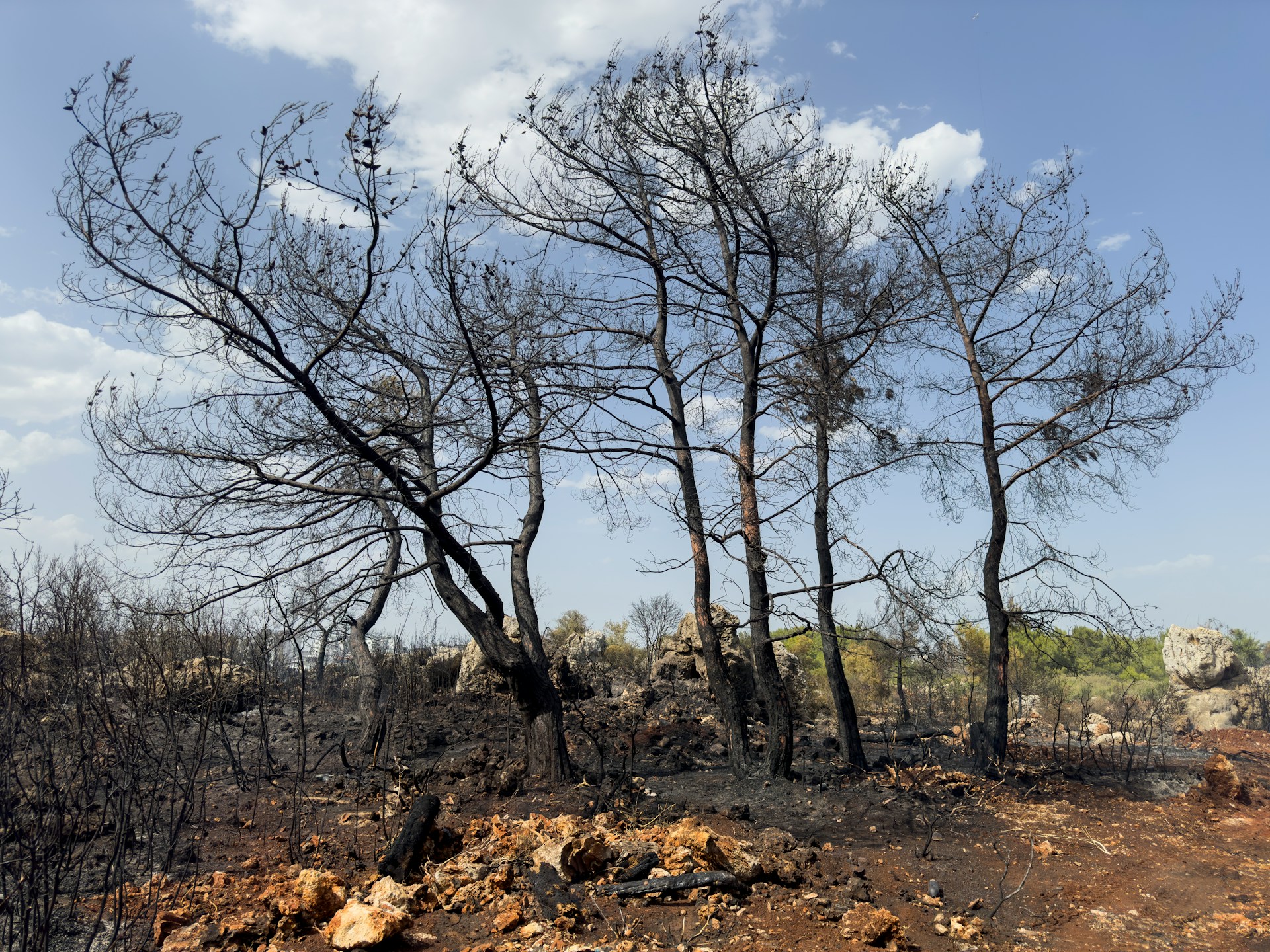
See the Difference: Healthy Forest, Safer Property
Fuel mitigation in Payson, AZ is not about stripping your land bare. It is about turning a crowded, risky patch of woods into a healthier forest that can better handle lightning, wind, and fast fire. When thinning is done right, your place still feels like the Rim Country, just safer and easier to live in.
Before work, many properties are choked with young junipers, tight clusters of pines, and thick brush under every tree. There are dry branches right above the grass and piles of sticks and needles on the ground. After a good low-impact thinning, those same acres look open and park-like, with sturdy trees, filtered shade, and clear sight lines to your home and driveways.
As we move into peak thunderstorm season, we get dry lightning, gusty outflow winds, and quick-moving fires in grass and brush. That is when bad fuel conditions around your home really show up. A low-impact, forest-friendly plan cuts risk but keeps shade, beauty, wildlife use, and your property value in mind. It is not clear-cutting, it is thoughtful clean up and spacing.
What a High-Risk Payson Property Looks Like Before Work
Across Rim Country, many homeowners are living in what fire crews see as high-risk settings. The trees are not just thick, they are almost touching. Every pocket of open ground is packed with scrub oak, manzanita, and young junipers. Needles and leaves sit in deep mats under the canopy and around decks, steps, and fences.
Common high-risk signs include
- Dense, continuous tree canopy with crown tips nearly overlapping
- Bushes and small trees growing directly under pines and junipers
- Ladder fuels such as young trees and tall brush touching or close to lower limbs
- Dead and downed logs, slash piles, and heavy needle build-up on the forest floor
- No clear buffer around homes, propane tanks, sheds, and parking areas
These conditions change how a fire behaves. Instead of staying low to the ground, it can climb ladder fuels into the tree crowns and run through the canopy. Embers can blow ahead of the main fire and land in those dry mats of needles near your home. Steep ground makes it worse, because fire loves to run uphill toward structures with no clean space to slow it down.
By late June, grasses are cured and brush is extra dry right when more people are camping and spending time outdoors. That is also when storms start tossing lightning around the Mogollon Rim. A property that might look “nice and wooded” to the eye is often at its most dangerous in that moment.
Smart Thinning and Spacing That Mimics Natural Forests
A good mitigation job does not start with a chainsaw; it starts with a plan. A professional crew walks your land and looks at slope, sun exposure, tree species, and tree health. The goal is to keep the strongest, most fire-resistant trees and remove the weak, crowded, and poorly placed ones.
We look at three kinds of spacing:
- Horizontal spacing, how far apart tree crowns are from each other
- Vertical spacing, how much room is between ground fuels and the lowest green limbs
- Safety spacing, extra clearance around homes, sheds, driveways, and power lines
Healthy spacing breaks up the continuous fuel that fire uses to move. Horizontal gaps between crowns help stop a surface fire from jumping into the canopy. Vertical gaps keep flames on the ground where they are easier for firefighters to deal with.
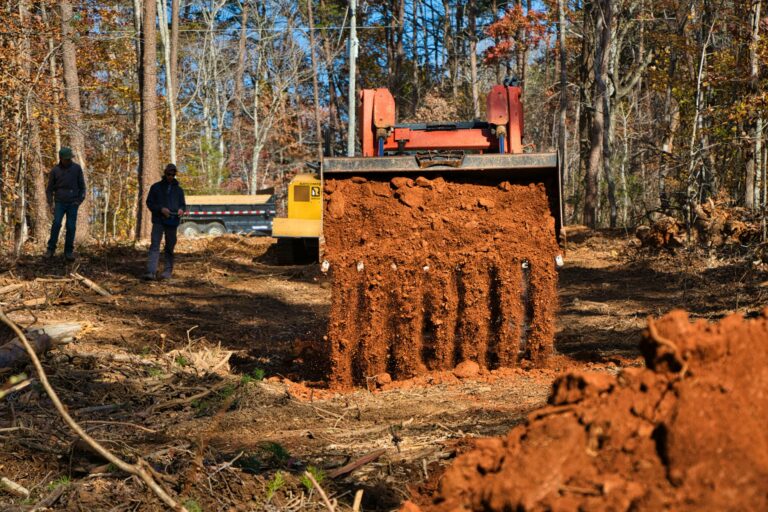
Low-impact methods matter. That means using the right equipment for the terrain, watching for root zones, and avoiding deep ruts or bare ground scars. It also means protecting signature trees that give your property character, and thinning in a way that still feels natural. The goal is for your land to look like a healthy Rim Country forest, not a clear-cut hillside.
Retention Slash Cleanup and Erosion Control Done Right
Fuel mitigation in Payson, AZ is not just about what comes out, it is also about what stays. Retention means we keep a mix of tree ages and types so the forest is stable over time. When it is safe, we may leave a limited number of wildlife trees with cavities or broken tops so birds and other animals still have places to live. Native shrubs and groundcover are kept in patches to hold soil, keep some privacy, and provide food and shade for wildlife.
Once trees and brush are cut, slash management is key. A good crew will:
- Limb and buck removed trees into manageable sections
- Chip branches and small diameter material instead of leaving messy piles
- Haul or neatly deck larger logs if the landowner wants to keep usable wood
- Spread a light layer of chips away from structures and decks
- Remove or reduce any old or leftover slash piles that could be future fuel
Thinning can leave soil more exposed to rain if it is not handled carefully. Erosion control protects your land when those big monsoon downpours hit. On slopes, that might mean leaving extra natural groundcover, laying cut branches along the contour, or using simple tools like straw wattles or water bars to slow runoff. We avoid scraping the forest floor clean because bare soil washes and gullies can form quickly during summer storms.
The After Picture: Safer, Cleaner, and Still Beautiful
When low-impact work is finished, the change is clear. You can see through the trees, but your property still feels wooded. The best trees stand out with strong crowns and higher, well pruned lower limbs. The forest floor is tidier with broken up fuels, a thin layer of chips in the right spots, and clear walking paths for you and, if it ever comes to it, for firefighters.
Those after conditions bring more than fire safety. You also get
- Healthier trees that are not fighting as hard for water and light
- Less stress from insects and disease that like crowded, weak stands
- Better airflow around outdoor living areas and patios
- More usable yard space for kids, pets, and simple projects
- Easier access for emergency vehicles, especially along driveways and gates
Many homeowners worry that thinning will ruin the wooded feel that made them love Rim Country in the first place. A forest-friendly plan is built to avoid that. By keeping key trees, staggering openings, and respecting natural features, you still get shade, privacy, and that quiet pine smell. At the same time, you are moving closer to common insurance and Firewise-style defensible space ideas, which can help with peace of mind when the smoke column goes up on the horizon.
Your Next Step to a Forest-Friendly Mitigation Plan
A smart way to start is with a simple walk around your place. Look up, look down, and think through a basic before and after checklist. Ask yourself:
- Are tree crowns tightly packed with limbs touching?
- Do I see brush or young trees growing into the lower branches of larger trees?
- Is there deep needle or leaf build-up near decks, sheds, and propane tanks?
- Would firefighters have a clear, safe way to reach my home and turn around?
- Are there steep slopes or drainage paths that could wash out if the soil was bare?
If you spot several of these issues, that is a sign your property could benefit from a seasonal assessment by a professional crew that understands Rim Country forests. Many homeowners also choose to pair fuel reduction with tree care and simple landscaping changes, like rock features and fire-resistant plantings. When it all fits together, you end up with a long-term, low-maintenance plan that keeps your slice of Payson both safer and beautiful for years.
Get Started With Your Project Today
Protect your property and gain peace of mind before wildfire season hits by scheduling professional fuel mitigation in Payson, AZ with Lumberjacks LLC. We will walk your land with you, explain your options, and create a clear plan that fits your budget and goals. To discuss your project or request an estimate, simply contact us and we will follow up promptly.