Storm damage in Payson is no joke. When those afternoon monsoon winds roll across Rim Country and the White Mountains, they can turn healthy-looking trees into serious hazards in just a few minutes. Strong gusts, soaked soil, and tall pines do not always mix well. That is why knowing what to do after a storm, and when to call a storm damage tree service, really matters for your home or business.
We want to walk you through what happens to trees in monsoon season, what warning signs to watch for, and what you can expect when a professional crew steps in. With a little planning before the first big storm, you can protect your roof, yard, and family from a lot of trouble later.
Protecting Your Property After Monsoon Wind Damage
In Payson, monsoon season brings late summer storms with fast-changing skies, strong winds, and soaking rains. Our tall pines and mixed forest around Rim Country and the White Mountains are beautiful, but they are also vulnerable when the ground gets saturated and gusts start hitting from different directions.
After a big storm, property owners often see:
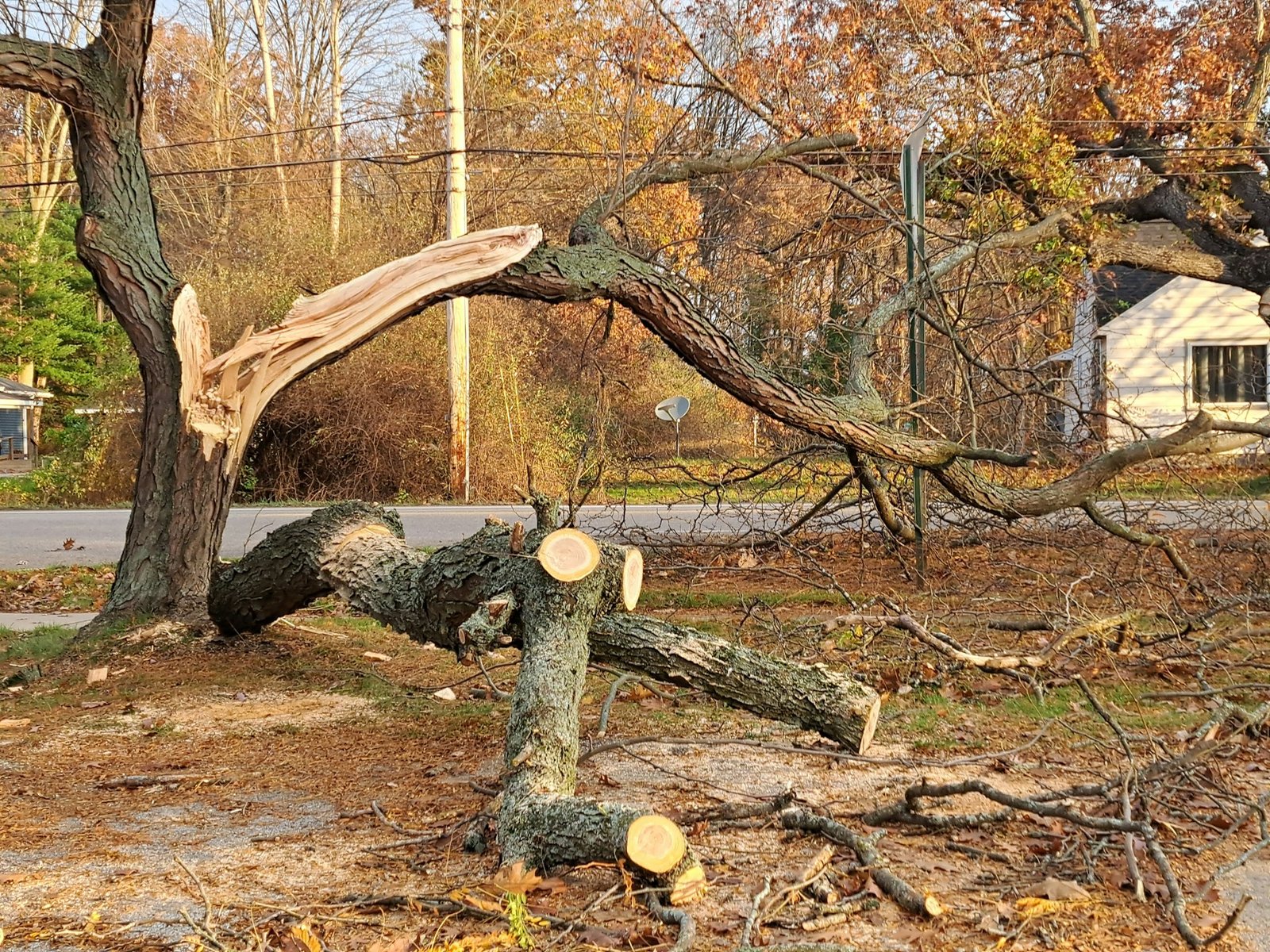
- Broken limbs scattered in the yard
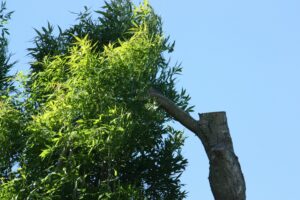
- Branches hanging high overhead, half broken but still attached
- Trees leaning toward homes, decks, sheds, or parking areas
- Uprooted trees with exposed roots and tilted trunks
These problems are not just messy. A loose limb can punch through a roof. A leaning tree can shift more overnight and land on a fence, vehicle, or porch. Calling a professional storm damage tree service quickly can help stop one bad storm from turning into weeks of repairs and insurance headaches.
How Monsoon Winds Damage Trees in Payson
Monsoon storms hit trees in a few different ways. Intense gusts and microbursts slam into the canopy, twisting and bending branches. Heavy rain soaks the soil around the roots, which can loosen a tree’s grip on the rocky ground we see on many Payson-area lots.
Some trees are more likely to fail in strong winds, especially:
- Older pines with thick, top-heavy crowns
- Yard trees that have grown too close together
- Trees with shallow or compacted roots from years of foot traffic or parking
Past damage makes things worse. Limbs that were cut incorrectly can grow weak attachment points. Decay hidden inside the trunk, pest damage, or old lightning scars can turn a storm into the final straw. Elevated lots, slopes, and thin soils common in our area give tall trees less support. When late summer rains soak those soils, roots may not hold, and the whole tree can tip during one strong gust.
When to Call a Storm Damage Tree Service Immediately
Some storm damage can wait a short time, but certain problems are red flags that call for urgent help. You should bring in a professional tree crew right away if you see:
- Any tree or large limb resting on a roof, shed, vehicle, or fence
- Branches touching or lying on power lines
- A trunk that is split, cracked, or peeled open
- A tree that suddenly started leaning after the storm
- Roots lifting out of the ground or soil heaving on one side of the tree
Trying to handle this kind of damage on your own can be dangerous. Branches can be under heavy tension, ready to snap or swing when cut. Storm-damaged trunks may shift without warning. Ladders on wet or uneven ground, chainsaws, and overhead limbs are a bad mix without training and proper gear.
A trained crew will look at the whole tree, not just the obvious break. We check how the tree is anchored, where the weight is leaning, and which limbs are most likely to fail next. Then we set a clear order of work so the highest risks are handled first, before they become new emergencies.
What to Expect From Professional Emergency Tree Care
After a monsoon storm, the first step is usually a phone call to describe what you are seeing: trees on structures, blocked driveways, or branches near lines. From there, a professional crew will come out for an onsite safety assessment, so no one walks into a dangerous area by accident.
A typical emergency response includes:
- Immediate removal of limbs that threaten people, buildings, or access
- Careful dismantling of compromised trees in sections, using ropes and rigging
- Hauling and cleanup of debris so you can safely use your yard or parking areas
- Temporary stabilization of borderline trees when full removal is not needed right away
Local, insured storm damage tree services understand the terrain, common tree species, and typical storm patterns in Payson and surrounding communities. They also know how to document the situation with notes or photos when property owners need to work with insurance later. The goal is to clear hazards quickly while keeping your property as intact as possible.
Preventing Future Wind Damage with Smart Tree Care
The best time to think about storm damage is before the clouds build up. Regular tree care during the year can lower the chance of major breaks when the monsoon winds arrive.
Smart preventive care often includes.
- Pruning to reduce heavy, overextended limbs and thick, wind-catching crowns
- Removing dead, diseased, or crossing branches that are likely to fail
- Thinning crowded trees so each one has room for strong root and trunk growth
In our area, wildfire fuel mitigation goes hand in hand with storm protection. Strategic thinning and brush removal around homes does not just slow the spread of fire, it also cuts down on weak, crowded growth that is more likely to snap or tip in a storm. Pre-monsoon inspections give you time to fix obvious issues, and follow-up checks in the fall help you see how your trees handled the season and what needs attention next.
Getting Your Trees Ready for the Next Monsoon
As the days get longer and the storm season moves closer on the calendar, it is a good idea to walk your property with fresh eyes. Look for leaning trees, dead branches hanging in the canopy, or old storm damage that never got fully addressed. Pay special attention to trees near your home, driveway, outdoor seating areas, and any place people gather.
A local team that works daily with Payson’s mix of pines, oaks, and ornamental yard trees will understand how our weather and terrain affect root systems and branch structure. With thoughtful planning and timely storm damage tree service when you need it, you can keep your trees healthy, your property safer, and your stress level much lower when those dark monsoon clouds start building over the Rim.
Protect Your Property With Fast, Reliable Help After a Storm
When severe weather hits, every minute counts, and our team at Lumberjacks LLC is ready to respond quickly to keep your home and family safe. If you see leaning trees, cracked trunks, or hanging limbs, our professional storm damage tree service can assess the risk and handle the cleanup safely. Reach out today through our contact page so we can help you restore your property and peace of mind.